germany.png
Maico
  
YearEventEdit
1983

Maico files for bankruptcy. The bankruptcy administrator completed the liquidation of Maico Maschinenfabrik GmbH on October 25, 1983, with the sale of spare and assembly parts, tools, equipment, and office furnishings, design documents, and two vehicles for a total purchase price of DM 467,400 to the newly founded Gebrüder Maisch Zweiradhandel und Produktions-GmbH in Ammerbuch. The shareholders were Wilhelm, Peter, and Hans Maisch, the sons of Wilhelm Maisch. They resume production of motocross motorcycles under GM Star. The name Maico is not available to them. It is registered with the German Patent and Trademark Office for Otto und Wilhelm Maisch KG, Ammerbuch, owner of the business premises in Pfäffingen. This company is also in bankruptcy, with attorney Gerhard Breuer as bankruptcy administrator, who wants to sell the Maico brand to the highest bidder.

1974
DM

First DM title for Maico Junior boss Hans Maisch.

1973
Jahresereignis
WM 250ccm Cross

A strong season with three Grand Prix victories secures Adolf Weil and Maico the vice world championship.

Jahresereignis
WM 500ccm Cross

Bauer led the championship for a long time and demonstrated the superiority of the new Maico with forward-mounted shock absorbers. The decision was only made in the final race in Sint Anthonis (Netherlands). De Coster won his third consecutive title in dramatic circumstances, as Bauer had technical problems.

Campionato italiano 250ccm Cross

Maico wins his first title in the Italian 250 championship with Ivan Alborghetti.

Alberto Angiolini completes Maico's success with the runner-up title

1972
Trans AMA 500ccm Cross

Maico's first major title on the world stage. Ake Johnson wins the Trans AMA Series.

1970
WM

Maico had increased the 360cc bike to almost 400cc, and with this extra power, the season was shaping up to be a successful one. Jonsson achieved victories across Europe and was on the verge of winning the world championship title. However, at the last race in Ettelbrück, Luxembourg, Jonsson suffered an unfortunate incident that repeatedly dashed his world championship ambitions: during the race, a fork tube came loose in the triple clamp, protruding so far upwards that it pierced the fuel tank, costing him the victory and thus the championship. 

1969
Jahresereignis

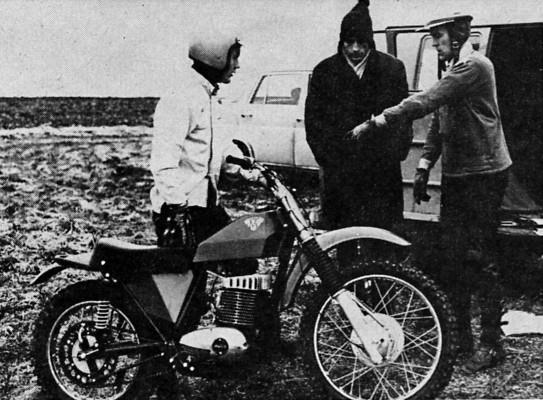
Ake Jonsson signs a contract with Maico. The picture shows him together with Gunter Schier (center) and Christopher Specht.

1957
Jahresereignis
EM 250ccm Cross

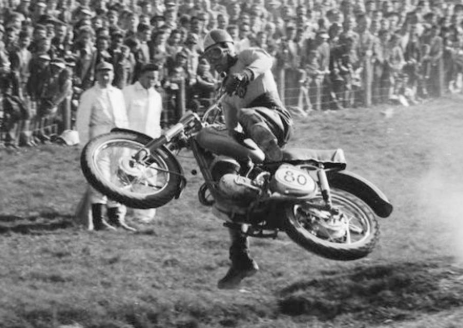
Last year's German champion Fritz Betzelbacher wins the new European Cup at the first attempt. Three victories in Reutlingen, Ettelbrück, and Sittendorf, as well as second places in Namur and Genk, mean he ends up with eight events to his name.

Rise to off-road sports specialist (1930s–1950s)

After initial success with light motorcycles, Maico increasingly focused on off-road sports.

  • World War II: During the war, the company (which had moved to Pfäffingen) produced parts for the Luftwaffe.
  • Post-war period & in-house development: Production resumed in 1947. A milestone was the development of the company's own engines, which made it independent of suppliers such as Ilo and Sachs.
  • Successes: In 1954, Maico riders won over 644 gold medals in various competitions. In 1957, Fritz Betzelbacher secured the first European championship title in the 250cc motocross class on a Maico.

Diversification and crises (1950s–1960s)

Maico attempted to broaden its base, which almost led to its downfall:

  • Scooter construction: With the Maicomobil (from 1950) and the Maicoletta, the company built technically advanced, fully faired motor scooters.
  • Car adventure: In the mid-1950s, Maico entered the small car production market (takeover of Champion-Konstruktion). The project failed economically in 1958 and led to the first near-bankruptcy.
  • Rescue by the German Armed Forces: The order for 10,000 units of the M 250/B model for the newly founded German Armed Forces stabilized the company financially in the long term.

The golden era of motocross (1970s and 1980s)

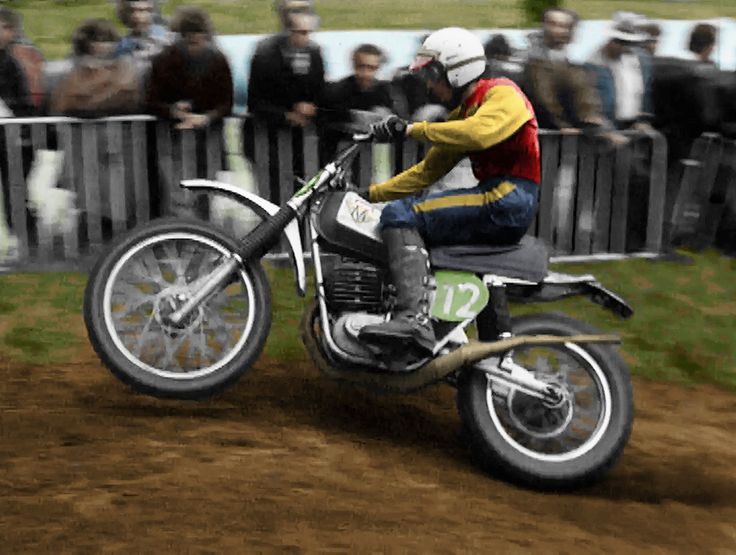
In the 1970s, Maico was considered the global technology leader in motocross.

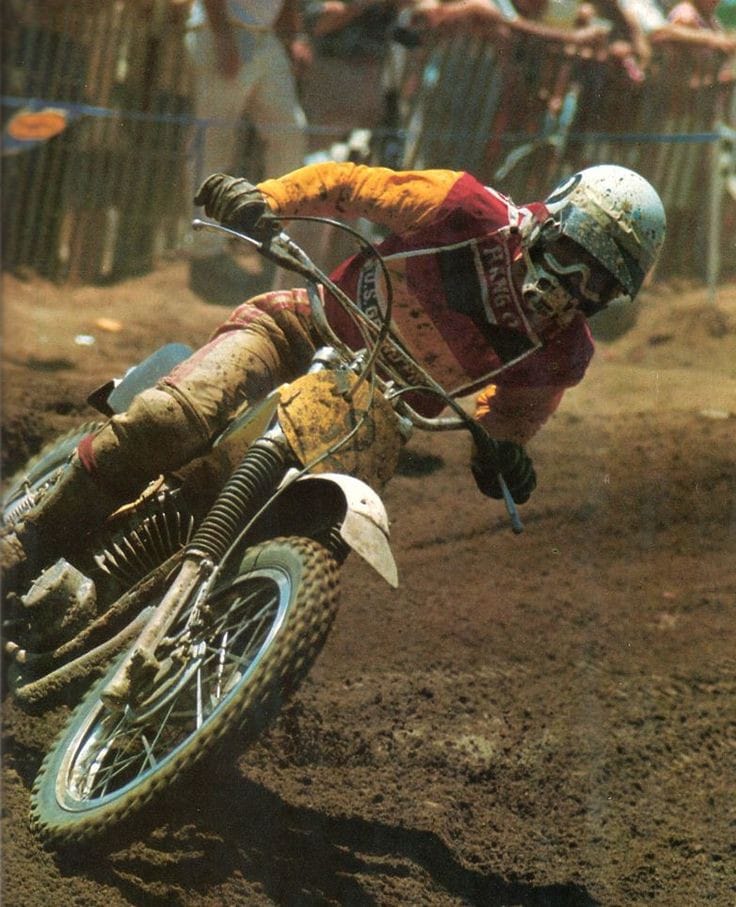
  • Focus: The legendary Maico 400 and 490 models dominated the racetracks, especially in the USA.
  • Innovation: Maico was a pioneer in chassis improvements (e.g., the placement of shock absorbers for longer spring travel).
  • Road racing: Models such as the MD 125/250 achieved respectable successes in the World Championship and in national sports.

Last edited: 1/15/2026 · Jürgen Wißler